Tama’ita’i Agava’a: Building Pathways to Employment
In the heart of Ōtara, a quiet but powerful shift is taking place, one that speaks to the resilience, potential, and deep cultural weight carried by Samoan women. Led by Otara Health Charitable Trust, the Tama’ita’i Agava’a Pilot was launched in mid-2025 to support unemployed Samoan women aged 18 to 35 into employment, training, or education.
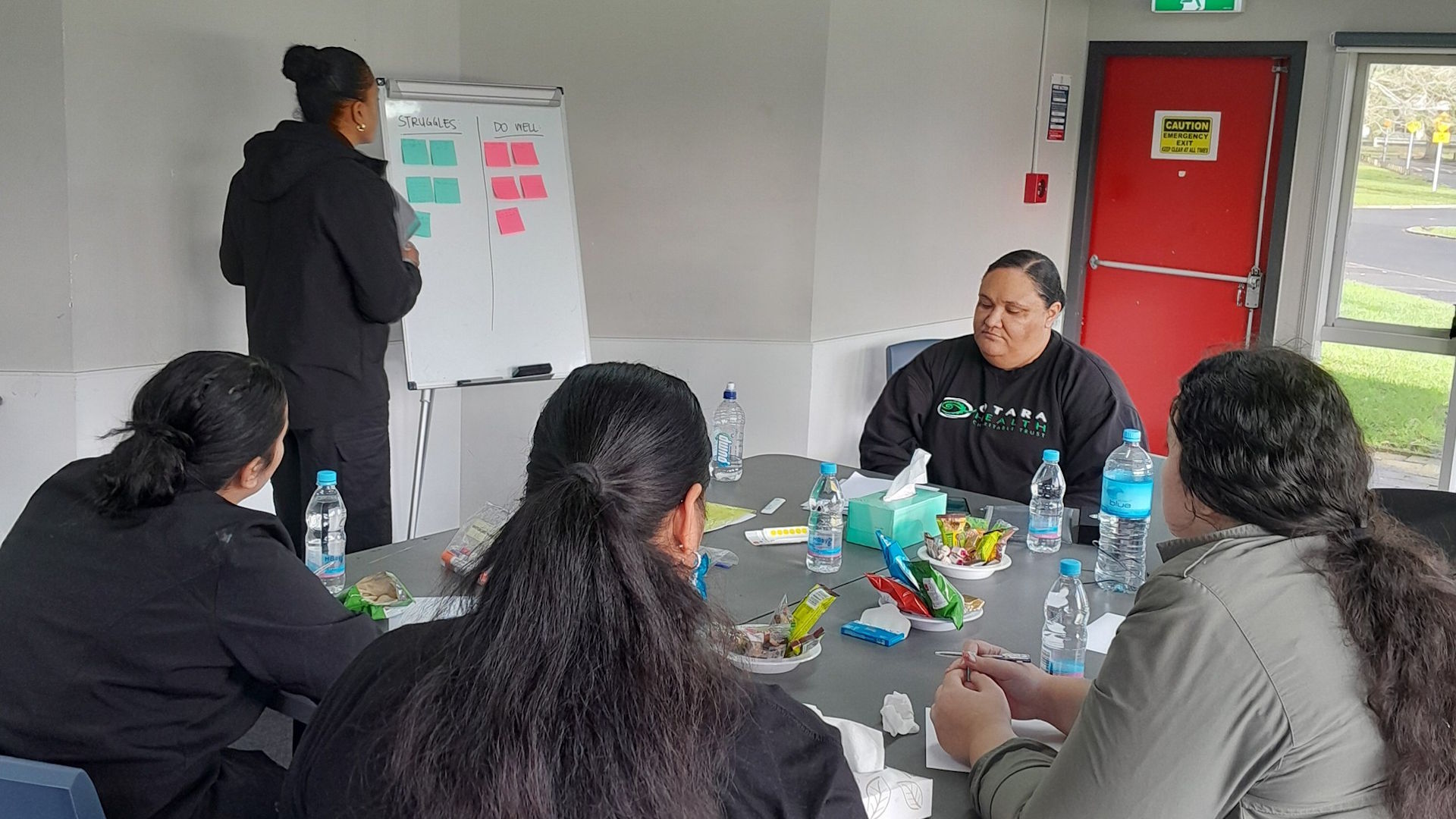
The initiative is one of several community-led responses supported through Pasefika Proud, a programme under the Ministry of Social Development (MSD) that champions Pacific-led solutions to wellbeing. Tama’ita’i Agava’a reflects Pasefika Proud’s core belief: that Pacific cultures are strengths to be mobilised, not barriers to be overcome.
The pilot was sparked by data shared by the Ministry of Social Development (MSD): 58% of unemployed Pacific people in the area were Samoan women. For Otara Health, the statistics simply affirmed what they were already seeing on the ground through their existing wraparound family support services.
“When you’re a young mum who had kids as a teen, and now you’re in your early 20s trying to get into the workforce, you’re already five years behind your peers,” says CEO Sosefina Paletaoga. “We knew we needed to do something different.”
The programme’s name Tama’ita’i Agava’a was chosen deliberately to affirm potential and capability, rather than reinforce deficit narratives.
“We wanted something mana-enhancing,” says Sosefina. “Not another deficit lens on our women.”
Originally designed as a 12-week group programme, it soon became clear that the structure would need to shift. Cultural roles, caregiving responsibilities, and day-to-day family demands made group sessions difficult to attend.
“It organically became one-on-one. That’s what worked. We weren’t going to force a structure that didn’t serve them.”
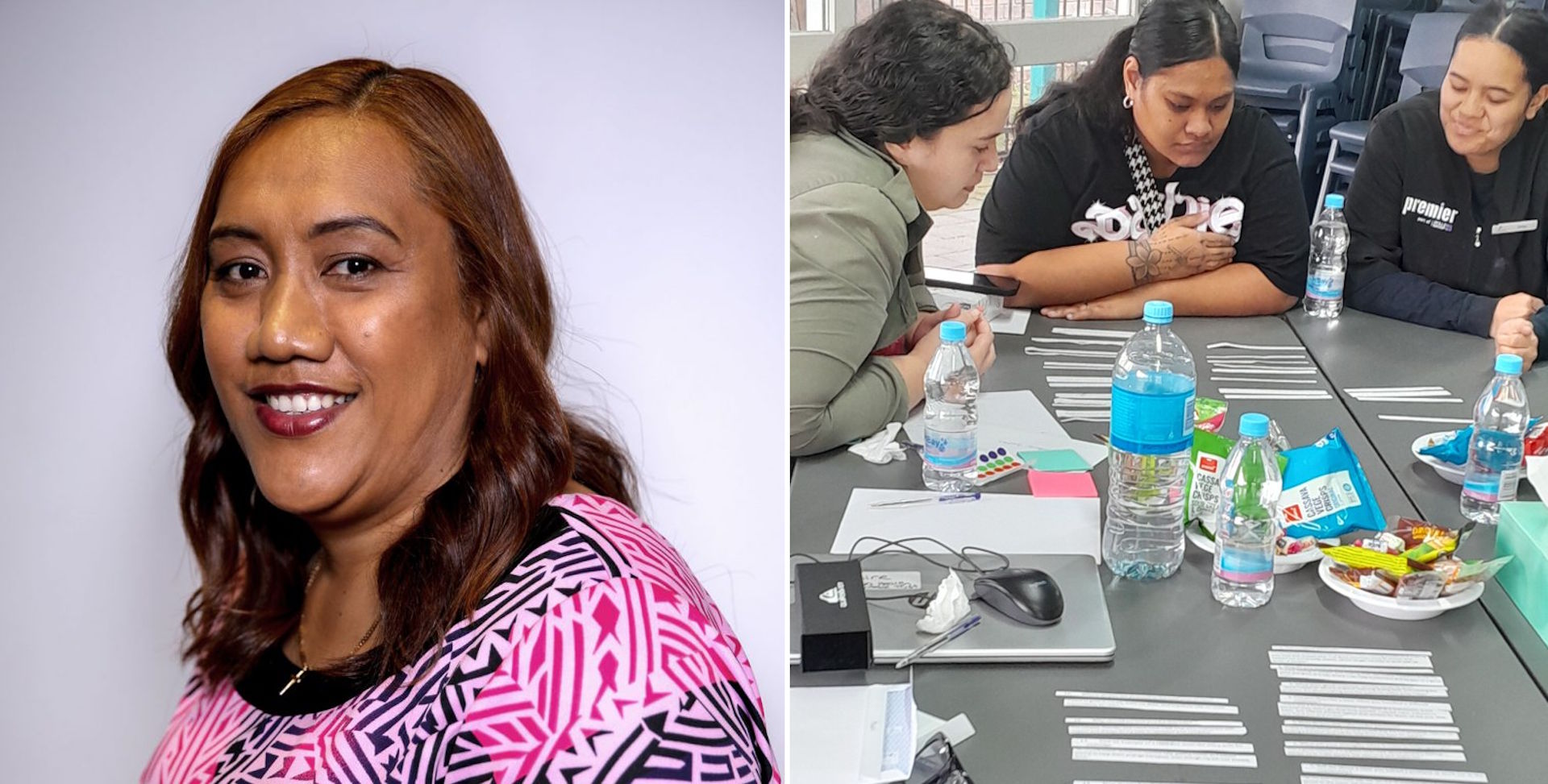
Job readiness remained a key focus, but the real starting point was confidence. Many participants had never written a CV or attended an interview. Some had been out of the workforce for years or had never formally entered it. The programme adapted to meet them where they were, offering tailored support that recognised not just individual potential, but the collective burden many carried.
Participant Maryanne says the highlight of the programme for her was the practical interview preparation and personal development support.
“It significantly helped me by supporting me in updating my CV and, most importantly, building the confidence to effectively present and sell myself during interviews,” she reflects.
Before the programme, Maryanne struggled with answering interview questions due to a lack of confidence. But through structured roleplays, reviewing common interview questions, and one-on-one encouragement, she felt well prepared to face interviews with clarity and confidence.
“Connecting with new people and learning from their experiences was extremely valuable,” she adds. “To further enhance the programme, I believe incorporating more presentations from local small businesses, particularly those aligned with the career interests of the women, would be a meaningful improvement.”
Across the pilot, seven women were placed: five into employment and two into further education, including one now on a pathway into nursing. But the Trust never set rigid employment KPIs, focusing instead on walking with each woman at her own pace.
And when the formal pilot wrapped in August, the Trust kept going.
“We don’t see people as numbers,” says Sosefina. “If you’re still walking with us, we’re still walking with you.”
The weight that doesn’t show up in reports
Behind every employment outcome lies unseen labour. Many of the women were carers—not just for their children, but for parents, grandparents, aunties, uncles, and wider aiga. Others balanced cultural responsibilities like fa’alavelave, all while navigating financial strain.
“They were doing the school drop-offs and pick-ups, organising family events, caregiving for elders… and on top of that, expected to go into work or training. It’s a lot,” Sosefina says.
Statistics alone can’t capture the depth of what’s involved. In some cases, women were technically ‘unavailable for work’—not because they were idle, but because they were caring for family members or managing complex household dynamics.
“Sometimes that doesn’t reflect well on the stats… when someone has made the decision to stay home and look after a loved one,” says Sosefina. “But that doesn’t mean she’s doing nothing.”
Much of the work done by Otara Health’s own team is also invisible: helping open bank accounts, requesting birth certificates, arranging IDs, or driving women to interviews.
“Those labour hours, those little things—none of it is resourced properly. But it’s what gets us to the goal.”
Family harm and the need for financial stability
Otara Health also delivers a family harm contract. Through this work, staff were able to identify Samoan women in complex situations who would benefit from Tama’ita’i Agava’a.
“What we’re seeing in a lot of these families is that the core issue is money. There’s just not enough,” says Sosefina.
By supporting women into work, the Trust hopes to contribute to family stability, financially and emotionally.
“Employment brings income, but also peace of mind. It’s more than just a job. It can be a circuit breaker.”
A wider model of care
Tama’ita’i Agava’a sits within Otara Health’s broader model of care, anchored by three ‘pou (pillars):
-
Whānau Mātauranga – family education, training, and employment
-
Papakāinga – neighbourhood wellbeing, health promotion, family harm response
-
Hapori Whānui – systems change and community development
The Trust also partnered with the Kindness Collective Auckland City Mission, Vinnies and Catalytic Foundation to deliver kai, Christmas gifts, and essentials to families throughout the programme - keeping it aiga-centred and community-led.
The success of Tama’ita’i Agava’a affirms what Otara Health already knew, backed by Pasefika Proud: culturally grounded, whānau-centred approaches work. The pilot proved that with the right support, Samoan women can and will step into employment, training, or education, not just for themselves, but for their families.
For Pasefika Proud, the success of Tama’ita’i Agava’a reinforces the value of community-led approaches that honour Pacific identities and family structures.
Now, Otara Health hopes to continue and grow the work.
“Our women are ready,” says Sosefina. “We just need to keep the path open.”