Rebuilding the Bay of Plenty Collective: Reconnecting Pacific Providers Through Shared Purpose
Grounded in Pasefika Proud values and frameworks, the Bay of Plenty Collective is reconnecting Pacific providers across the region, rebuilding unity after years of working in isolation. Hosted by South Waikato Pacific Islands Community Services (SWPICS), the September gathering brought together Pacific-led services committed to strengthening family wellbeing through culturally grounded, community-designed practice.
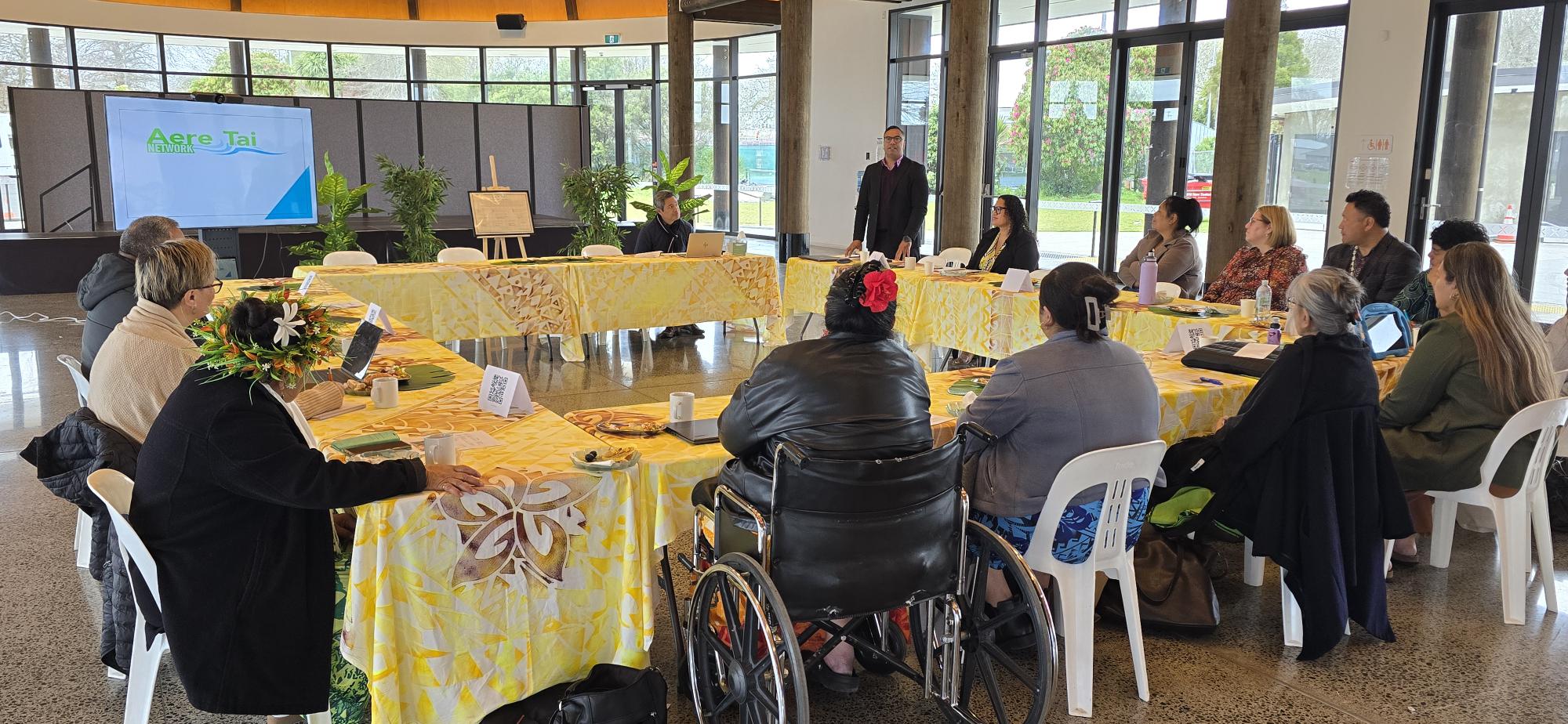
The gathering reflects Pasefika Proud’s emphasis on collective approaches, Pacific leadership, and solutions shaped by community realities. It created space for providers to reconnect, share learning, and reaffirm that Pacific families are best supported when services work together rather than in isolation.
For Akarere Henry, CEO of SWPICS, the greatest value of the day was not just the presentations, but the willingness of everyone present to re-establish relationships and rebuild a collective approach across the region.
“The challenges are shared, and the solutions can be shared too. Bringing everyone back together means we regain the strength of working collectively.”
Akarere says the need across the Bay of Plenty and Midlands region has intensified, particularly where unemployment and financial pressure spill over into stress, shame, addiction, and deeper family harm. The gathering was a reminder that providers are often carrying the same realities in different towns, and that reconnecting strengthens everyone’s ability to respond.

A frontline view of culturally grounded support
Tere Ford is in her ninth year at SWPICS as the Pacific Family Support Coordinator, supporting families who are police report-informed and self-referred. She works across multiple inter-agency tables, including the police-led family violence inter-agency group, as well as forums supporting vulnerable unborn children and families transitioning out of statutory intervention.
A key part of her practice draws on Pasefika Proud’s Cook Islands conceptual framework, Nga Vaka o Kaiga Tapu, including Turanga Māori. These frameworks strengthen the way families are supported by starting from strengths and creating space for identity, reconnection, and trust to be rebuilt.
“It felt like a meeting of triumph. Everyone was ready to reconnect, share challenges, and find solutions together. Across the room you could hear the same themes, and a shared desire to work as one.”
Tere says what stood out was the shared understanding that challenges are not isolated to one community, and that when providers reconnect, they are better placed to share what works, grow capability, and reduce the isolation that smaller regional services can face.
Regional providers: rebuilding strength in numbers
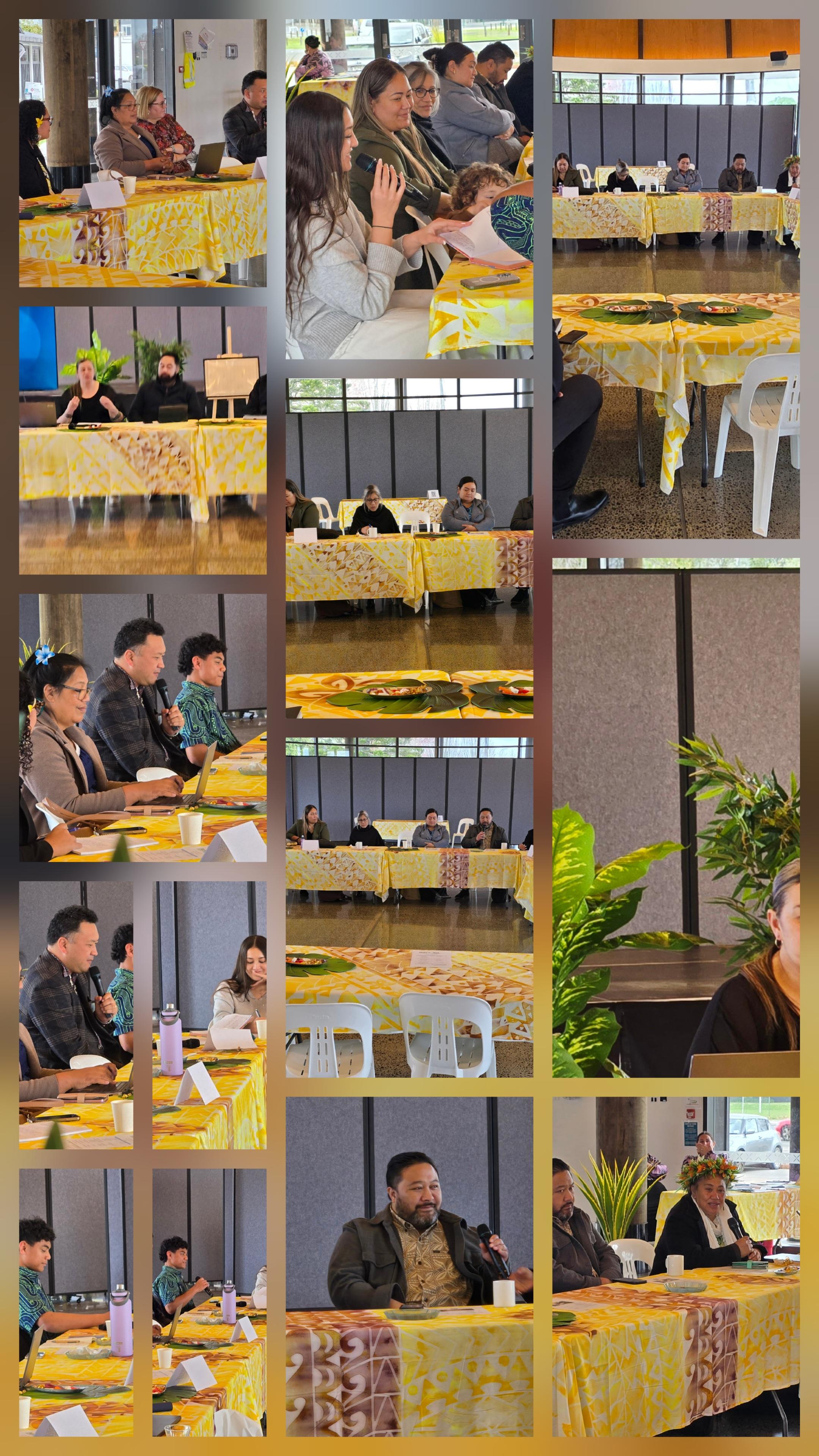
For Laura Tongalea-Nolan of Amanaki Trust, the gathering was valuable because it created space for smaller regional providers to connect and learn from one another, many for the first time.
“It was good to connect with other small local Pacific providers based in the Bay of Plenty and Waikato regions, as it was the first time I had met a few of them."
Laura also highlighted the importance of hearing the history of the Collective clearly, so providers share a common understanding of its development and can move forward with the same timeline and intent.
“It was also good to listen to the background of the Collective from the original founders so we could get an accurate timeline and understanding of its development.”
Managing Director and Clinical and Community Services Lead at AvaNiu Pasifika Ltd, Sameli Tongalea says networks like this exist because regional Pacific needs have too often been overlooked. She describes the Pacific Providers Network in the Te Manawa Taki region as something earlier generations had to push for, ensuring smaller Pacific communities were visible at decision-making tables.
“Having a network has strengthened the collective voice and increased the visibility of Pacific providers in this region.”
Sameli says the Collective matters because it creates shared strength and sustainability; including the ability to onboard new leaders, share knowledge across providers, and continue challenging what does not work for Pacific families.
“If this region were not a collective prepared to challenge the status quo, it would be a dis-service to the Pacific communities we serve. We would be perpetuating inequities and endorsing the popular thinking that our families’ needs are less, due to our population size.”
She says the September gathering was also a milestone because it showed new energy coming through, with younger providers stepping into the space with confidence and commitment.
“It was both exciting and humbling to see the new group of young providers coming through - skilled, confident, articulate, understanding the value of being part of a network, and committed.”
Cross-regional alignment: shared learning beyond boundaries
While the story is centred on the Bay of Plenty Collective, the kaupapa has also attracted alignment beyond the immediate region.
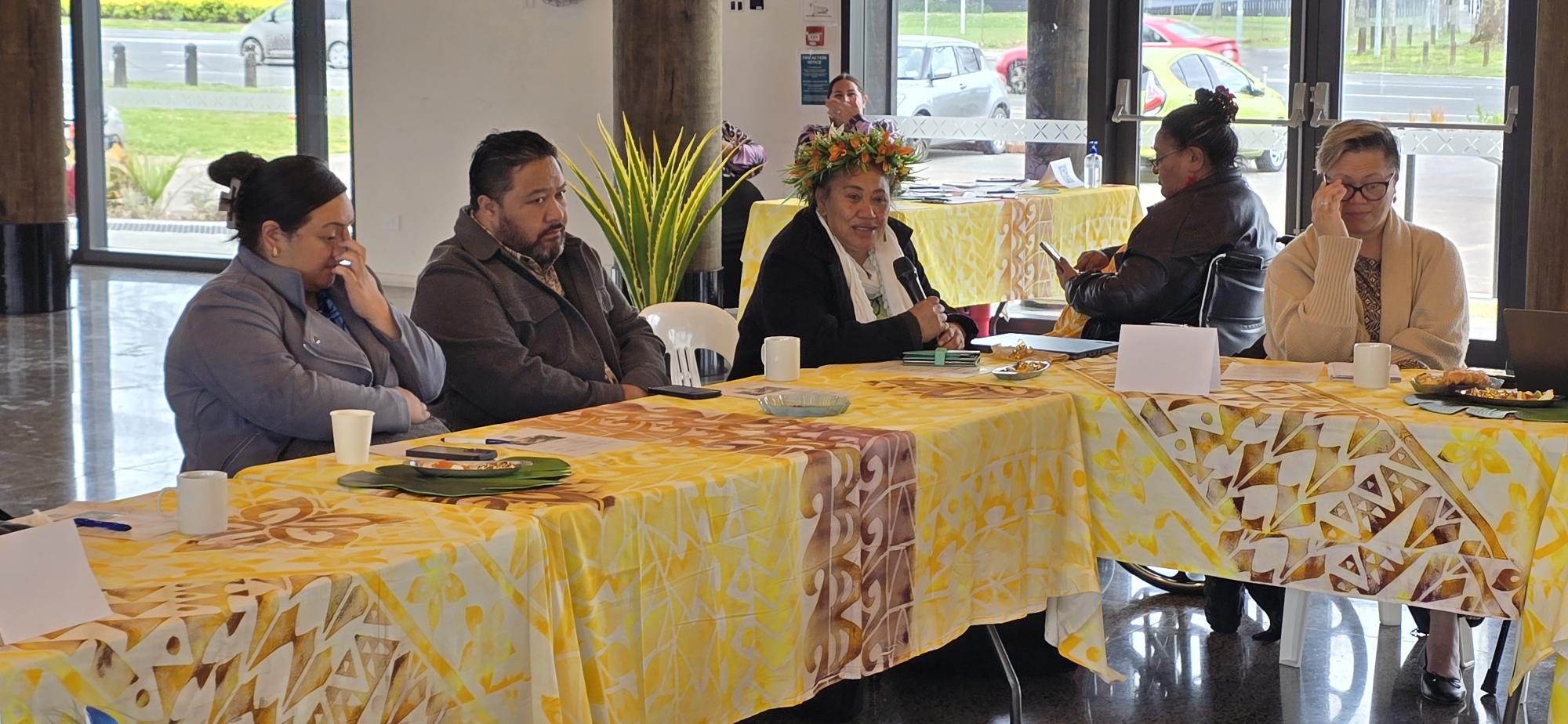
Tevita Fakaosi, Organisation Leader at Kainga Pasifika Services in Hawke’s Bay, connected because he sees value in learning across regions and strengthening best practice. He says his service stepped away from mainstream approaches after recognising that Pacific values and spiritual beliefs were not being met in ways that felt aligned for families.
“Our people open up when we speak in a way they relate to. Healthy and unhealthy relationships, that’s something they understand.”
Tevita says collective learning matters because providers are never “finished” in this work, and sharing what works strengthens support for families everywhere.
“You’re never too late to learn from others. There’s no such thing as being perfect in this work. Coming together helps us care for our people better.”
What this reconnection enables
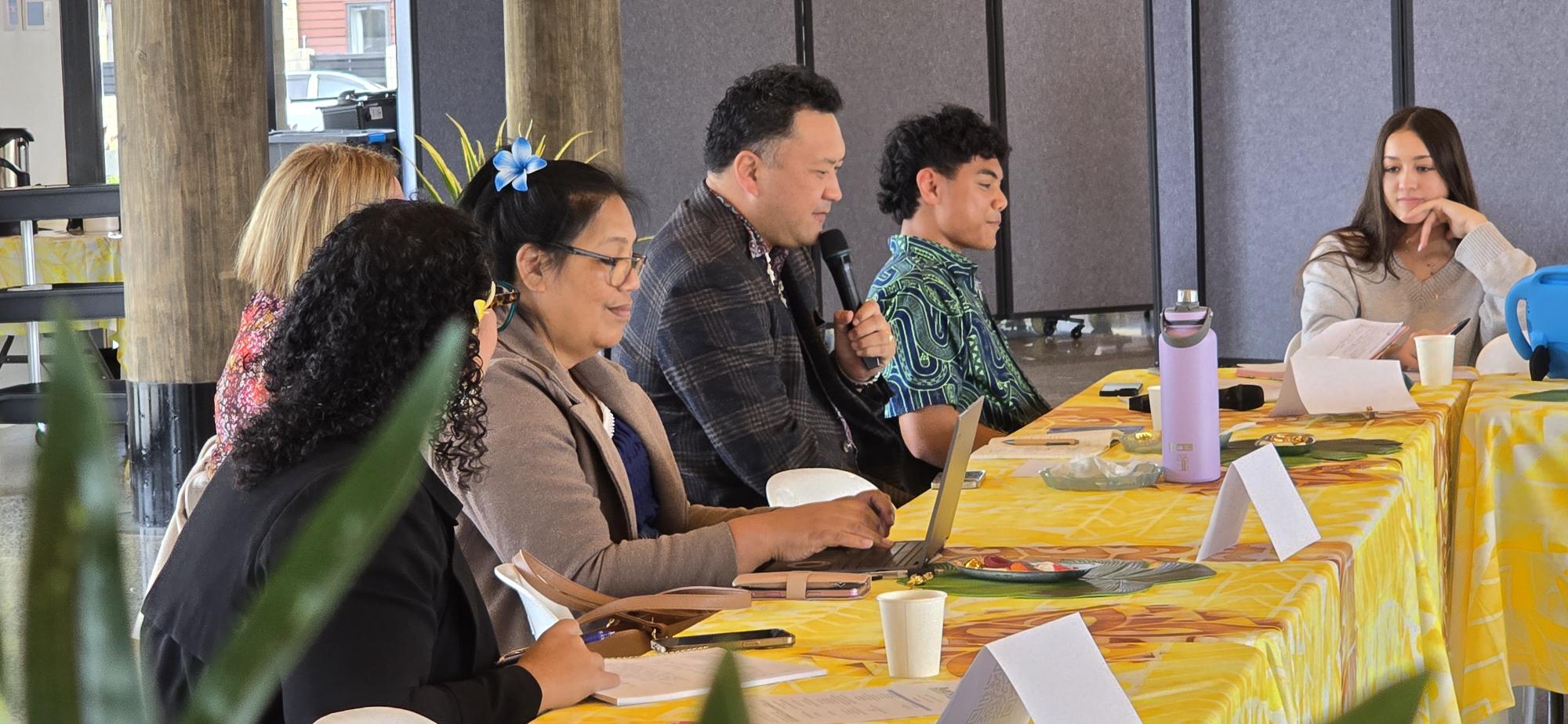
Across the voices in the room, and those aligning from outside the region, the message was consistent: Pacific families are better supported when providers are connected, culturally grounded, and able to share capability rather than operating in isolation.
The Bay of Plenty Collective is now rebuilding momentum by strengthening relationships across providers, sharing intelligence and resources, and ensuring Pacific voices remain visible and coordinated in regional responses.
With SWPICS hosting, regional providers recommitting to shared action, and Pasefika Proud frameworks strengthening practice on the ground, the Bay of Plenty Collective is re-establishing its role as a connected network for Pacific wellbeing. The work ahead builds from this renewed unity; strengthening relationships, sharing knowledge, and uplifting Pacific families across the region.