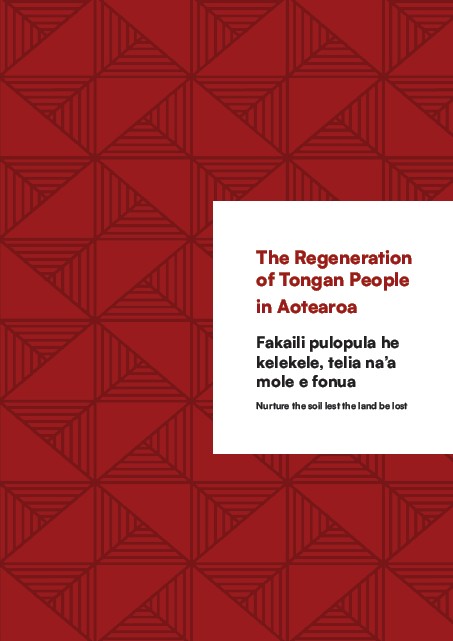
Pulopula: Planting the Future of Tongan Wellbeing in Aotearoa
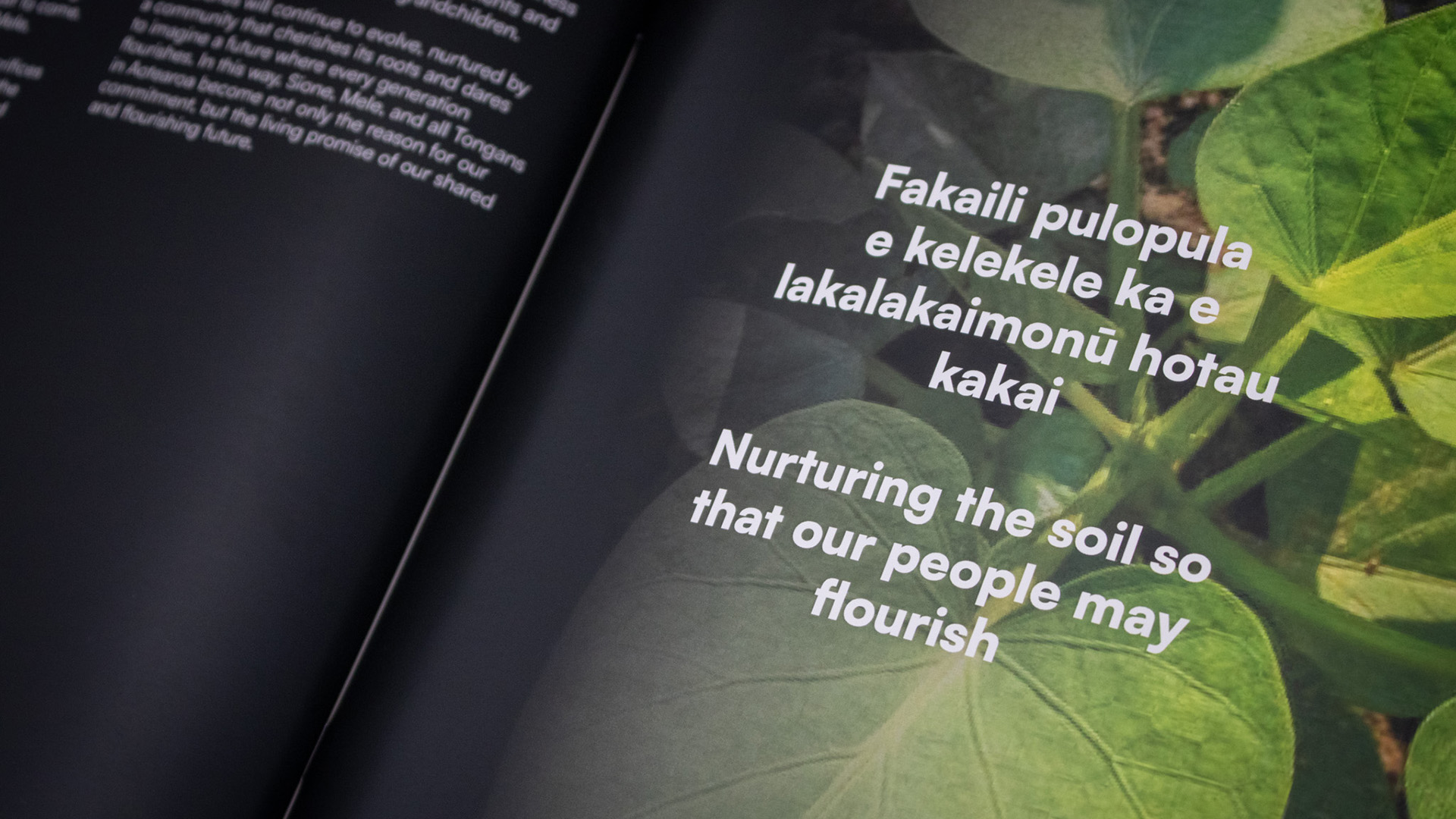
‘Fakaili pulopula ihe kelekele, telia na’a mole ‘a e fonua’ – nurture the soil lest the land be lost.
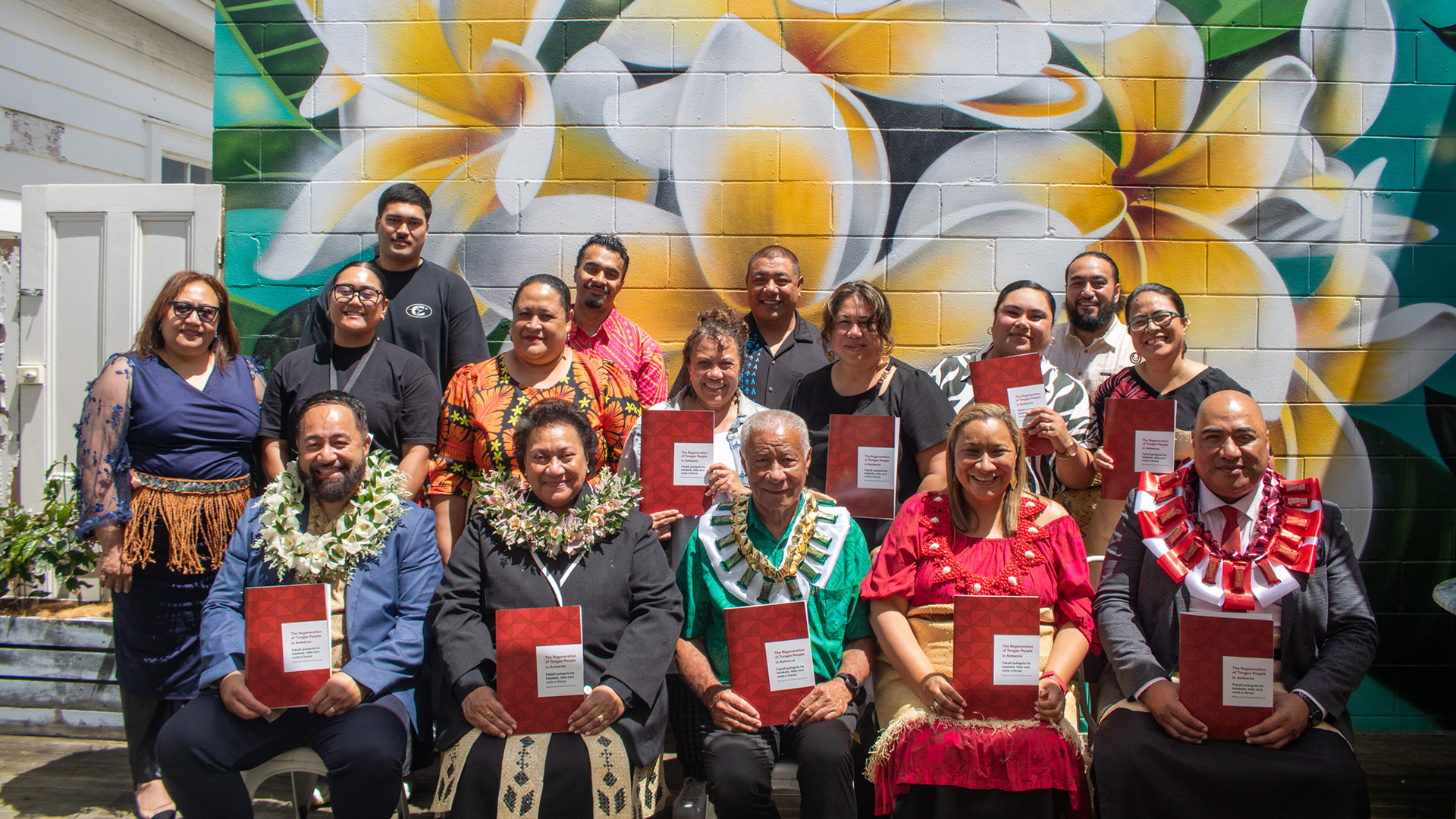
This proverb anchors the National Tongan Community Plan, a people-led strategy shaped through talanoa and supported by Pasefika Proud. Launched in Tāmaki Makaurau on 27 November 2025, the Plan reflects the hopes, strengths, and aspirations of Tongan families across Aotearoa and sets out a shared commitment to strengthen cultural identity, nurture the next generation, and build long-term capability.
The pulopula – the small yam cutting planted for future growth – guides the Plan’s vision of regeneration. It speaks to the Tongan journey of migration, settlement, and belonging in Aotearoa, reflecting how new roots were planted while identity, culture, language, and faith continued to be carried forward.
The Plan draws on extensive talanoa with Tongan elders, youth, community providers, churches, and leaders across the motu, alongside insights from 302 survey contributors across 12 regions. This broad community voice presents a vivid picture of a young, culturally vibrant population navigating challenges in housing, education, digital access, and economic opportunity while maintaining strong cultural identity.
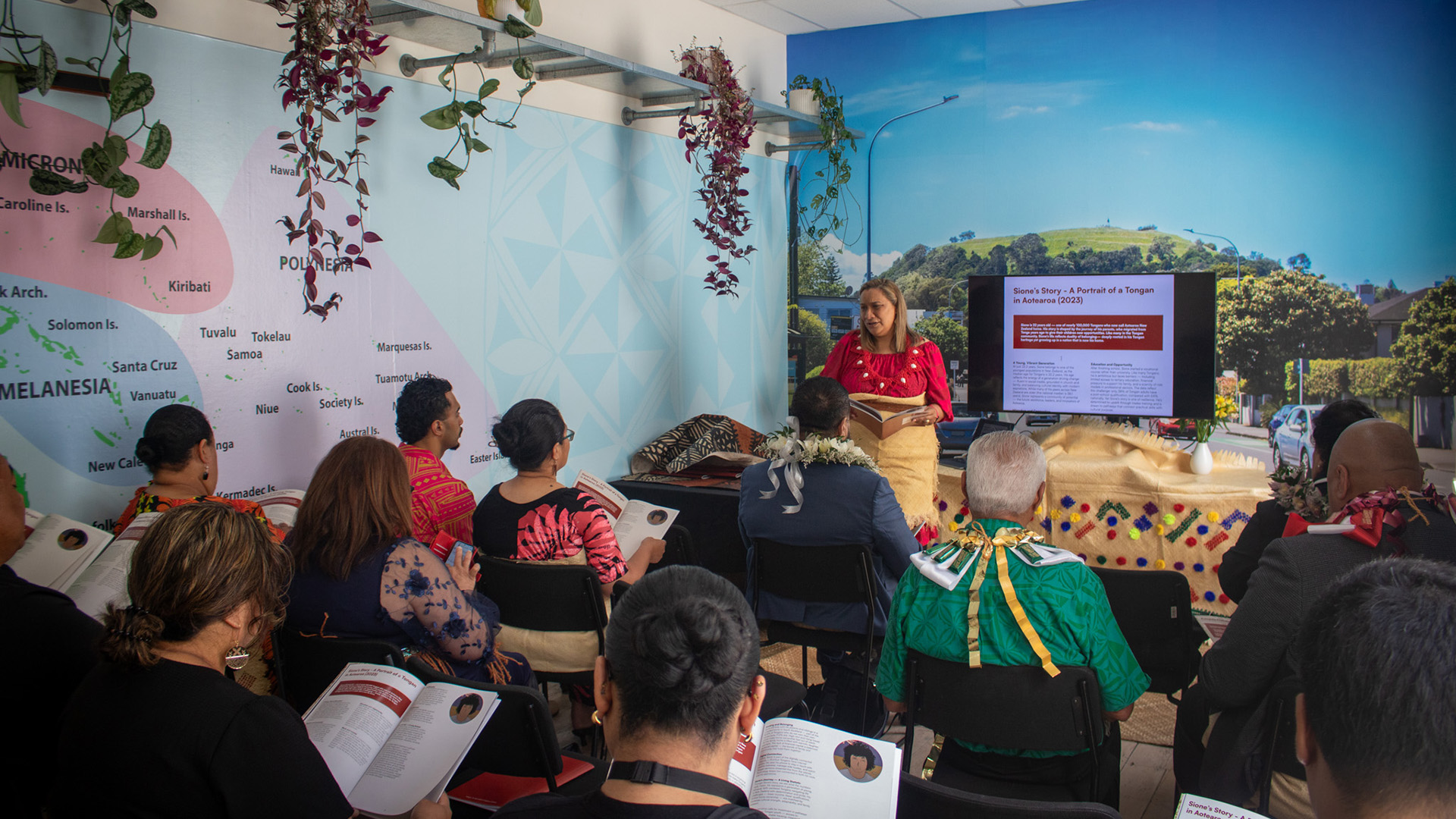
Dame Valerie Adams, who provided the foreword, endorsed the Plan’s focus on unity and regeneration, acknowledging the resilience and cultural pride of Tongans in Aotearoa and the hope this Plan represents for future generations.
Families were clear that culturally grounded, Tongan-led services consistently lead to better outcomes. Contributors emphasised that they feel safer and more confident when services reflect Tongan values, language, and relational systems. The Plan also highlights regional access gaps, noting the heavy reliance on churches and community networks outside Auckland. Strengthening regional hubs is expected to support better navigation, improve service uptake, and ensure more equitable outcomes nationwide.
Intergenerational leadership emerged as another key priority. Elders provide cultural depth and spiritual grounding, NZ-born and mixed-heritage Tongans bring system awareness, and youth offer digital fluency and new perspectives. The Plan sets out pathways for leadership development and civic participation to increase Tongan representation across decision-making spaces.
The experiences of Sione and Mele, woven throughout the Plan, reinforce these priorities. Sione represents a new generation ready for opportunity when supported with clear pathways. Mele represents the generation whose perseverance and sacrifice laid the foundation for today’s communities. Their stories highlight why long-term investment in culture, housing stability, education, and economic mobility remains essential.
The Plan identifies eight strategic goals that together strengthen the foundations for Tongan wellbeing: culturally grounded services, regional hubs, intergenerational leadership, education and employment opportunities, stable housing, fairer economic participation, civic engagement, and a national data system to uphold Tongan data sovereignty. These goals provide clear direction for coordinated action over the next five to ten years.
“The National Tongan Plan is a collective expression of our people’s hopes, struggles, and aspirations across Aotearoa,” says Emeline Afeaki-Mafile’o, who coordinated the development of the Plan. “Pulopula reminds us that regeneration begins in the soil, in our families, churches, communities, and the leadership we cultivate together, and this Plan honours that foundation. It reflects the regeneration of Tongans in Aotearoa, acknowledging our journey of migration, settlement, and belonging. My hope is that this Plan strengthens our unity and guides long-term investment into the wellbeing and flourishing of Tongan families for generations to come.”
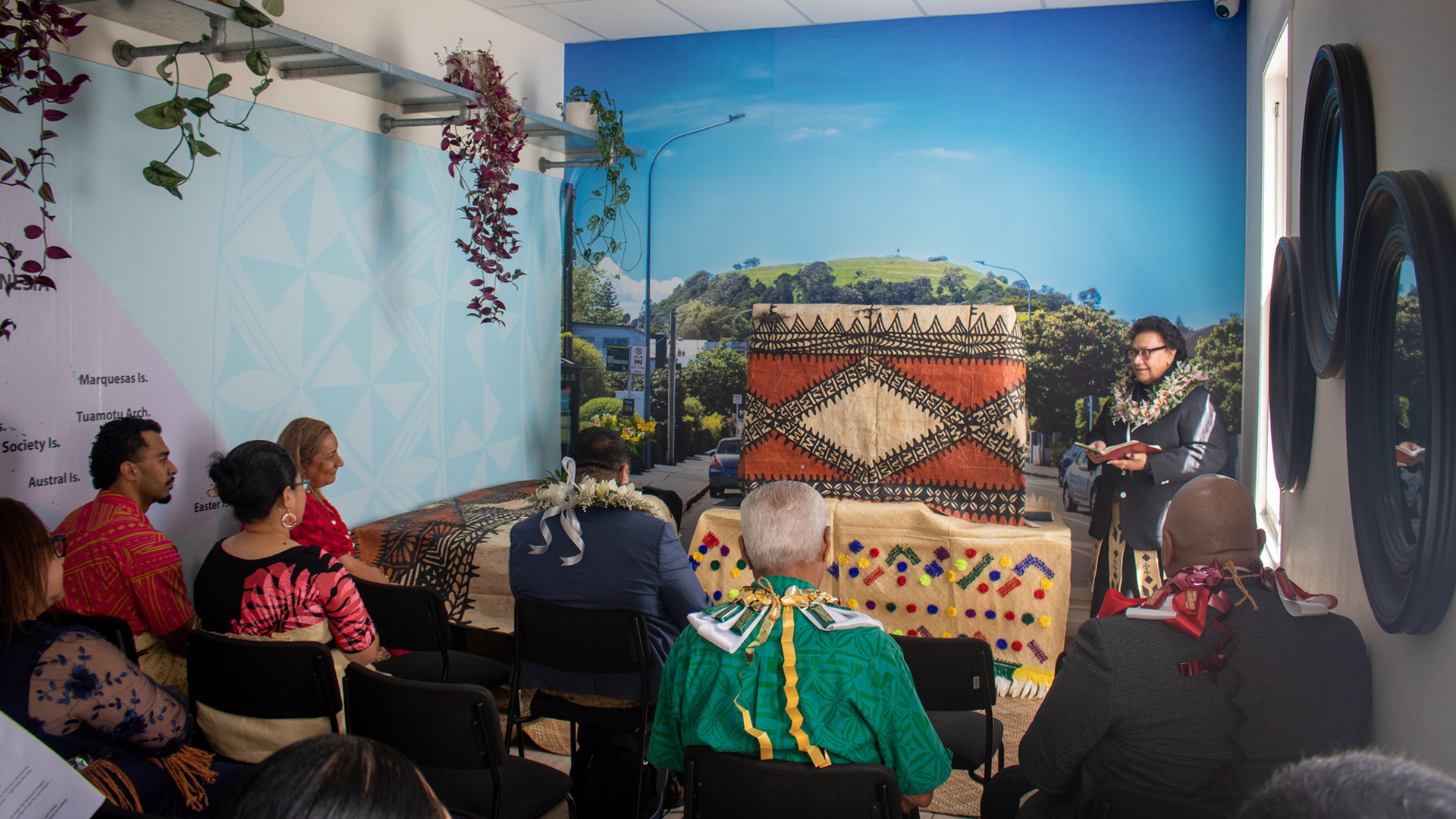
“Nurturing the soil so that our people may flourish,” says Rev Setaita Taumoepau K Veikune, Chairperson of the Pulopula Aotearoa Tongan National Committee, who will lead the implementation of the Plan on behalf of Tongan communities across the nation.
Implementation of the Plan will be guided by the National Pulopula Committee, representing all 12 regions, with support from Pasefika Proud. Their stewardship ensures the Plan becomes a living movement shaped by community voice and cultural wisdom, strengthening outcomes for families across the motu.
In essence, the Plan is a collective movement for Tongans in Aotearoa. It reflects unity, identity, shared responsibility, and the ongoing regeneration of a people whose roots continue to deepen and flourish in their new fonua.